


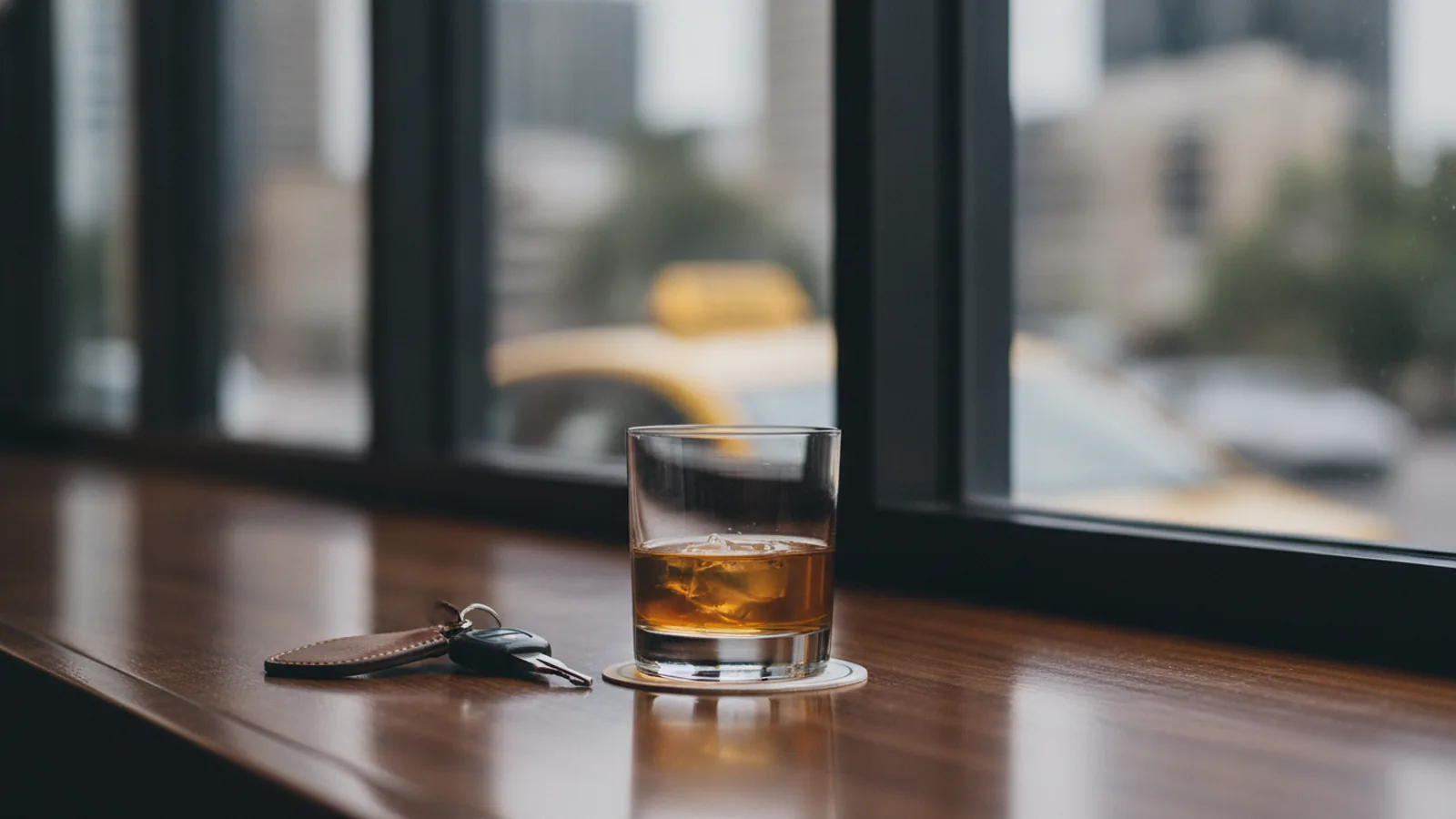
Alcohol appears in a large share of the serious road accidents we see, and it raises questions in three directions: the injured person who was hit by a drunk driver, the injured person who had been drinking themselves, and the passenger who got into a car knowing the driver had been drinking. Queensland law treats each differently, and the rules are written down.
Key points
- If a drunk driver injures you, you claim against their CTP insurer in the ordinary way; their drinking is evidence of fault, not a barrier.
- If you were intoxicated and it contributed to your injury, the Civil Liability Act presumes contributory negligence, with a minimum reduction of 25%.
- A passenger who relied on an intoxicated driver faces a presumed reduction of at least 25%, rising to at least 50% where the driver's blood alcohol was 0.15 or more or they were so affected they could not drive properly.
Injured by a drunk driver
The CTP policy attached to every registered Queensland vehicle covers injury caused by the driver's negligence, and it does not lapse because the driver was drunk, unlicensed or committed an offence. You lodge a Notice of Accident Claim with the insurer of the at-fault vehicle within nine months of the accident, or one month of first seeing a lawyer, whichever is earlier. A criminal charge or conviction against the driver is useful evidence; the claim itself is a civil claim and proceeds separately, on the balance of probabilities.
Insurers do sometimes pursue a drunk driver personally to recover what they have paid out. That is between them and the driver. It does not affect your entitlement.
If you had been drinking
Section 47 of the Civil Liability Act 2003 says that where an injured person was intoxicated at the time and the intoxication contributed to the injury, contributory negligence is presumed and the damages are reduced by at least 25%, or more if the court considers the person's share of responsibility greater. The presumption can be rebutted if the intoxication did not contribute to the injury, or if it was not self-induced. A pedestrian who steps into traffic after drinking, or a cyclist riding home from a pub, needs to expect this argument from the insurer and prepare for it.
Passengers who relied on a drunk driver
Section 48 covers relying on the care and skill of an intoxicated person generally, and section 49 adds a specific rule for motor vehicles. Where the injured passenger was 16 or over, was relying on the driver, and was aware or ought reasonably to have been aware that the driver was intoxicated, contributory negligence is presumed and the reduction is at least 25%. Where the driver's blood alcohol concentration was 0.15 or higher, or the driver was so affected that they were incapable of properly controlling the vehicle, the minimum reduction is 50%.
The passenger can defeat the presumption by showing that they could not reasonably be expected to have avoided the risk, for example because they had no other safe way home in the circumstances, or that they did not know and could not reasonably have known the driver had been drinking. These are evidence questions, and the details matter: where the group had been, what was seen, what alternatives existed.
A reduction is not a refusal
A 25% or 50% reduction on a serious injury claim can still leave a substantial award. Claims involving intoxication are routinely settled; the argument is about the percentage, not about whether the claim exists. Get advice before accepting an insurer's characterisation of what happened.
Frequently asked questions
Can I claim if the driver who hit me was drunk? Yes. Their intoxication does not affect their vehicle's CTP cover and is strong evidence of negligence.
I was a passenger and the driver had been drinking. Do I have a claim? Yes, but it may be reduced by at least 25%, or at least 50% if the driver was heavily intoxicated, unless you can show you did not know and could not reasonably have known, or could not reasonably have avoided the risk.
Does a drink-driving conviction decide the civil claim? No. It is evidence. The civil claim is decided on its own, on the balance of probabilities.
Sources
- Civil Liability Act 2003 (Qld), ss 47–49 (presumption of contributory negligence where intoxicated; relying on an intoxicated driver) — legislation.qld.gov.au
- Motor Accident Insurance Act 1994 (Qld), ss 37, 52 (time to lodge; insurer's rights against the insured) — legislation.qld.gov.au
- Motor Accident Insurance Commission, Making a claim — maic.qld.gov.au