


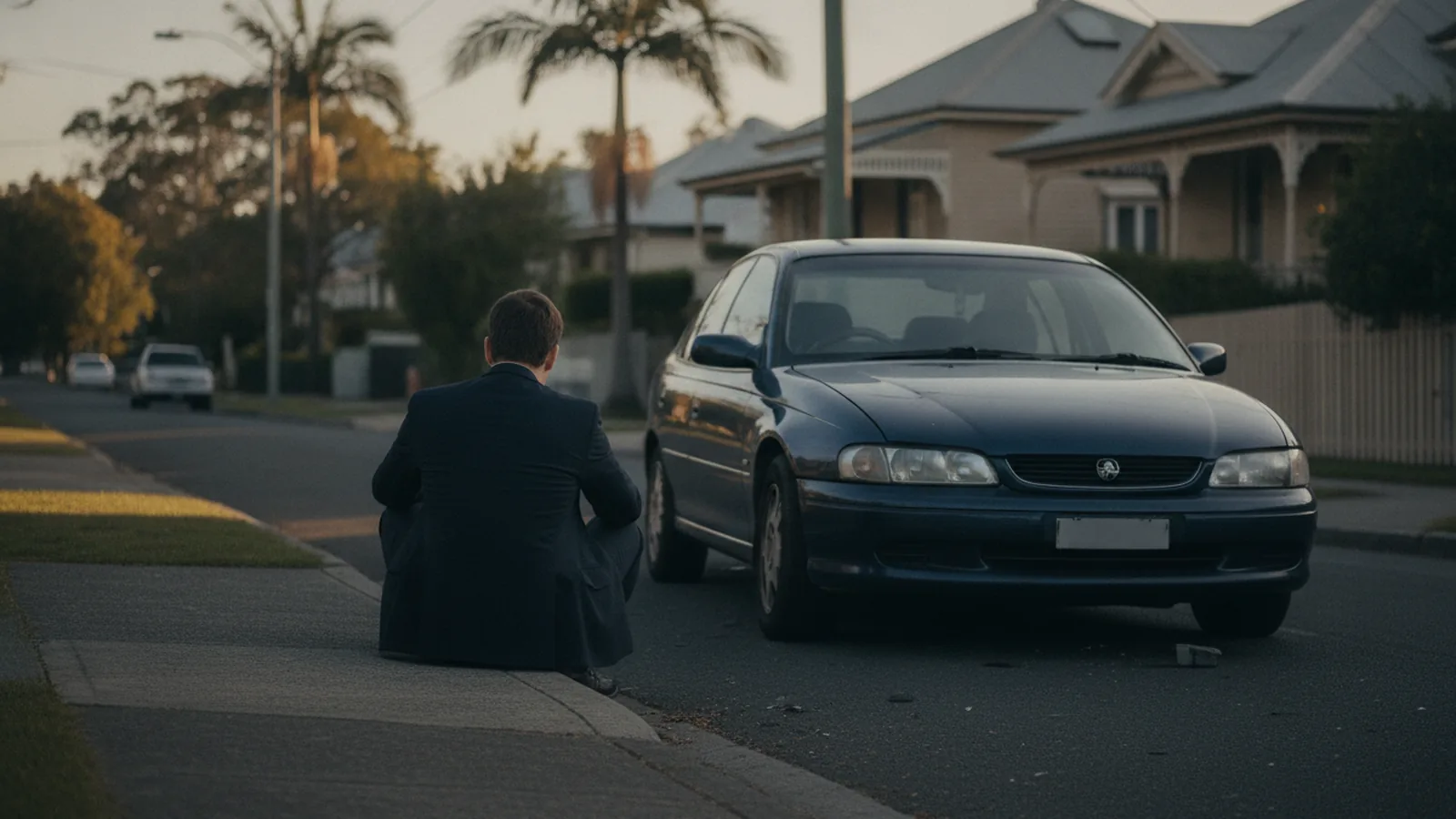
Queensland's CTP scheme is fault-based. It compensates people injured by someone else's driving, and it does not cover the driver whose fault the accident was. That is the rule, and MAIC states it plainly. But "I caused it" is a conclusion people reach at the roadside, often wrongly, and even where it is right there are other sources of cover that most people never check.
Key points
- CTP never pays the at-fault driver for their own injuries.
- Fault is often shared; if another driver contributed at all, a CTP claim exists, reduced by your share.
- Catastrophic injuries are covered by NIISQ regardless of fault; work-related driving is covered by WorkCover regardless of fault; TPD and income protection through super do not depend on fault.
First: were you actually wholly at fault?
Fault in a CTP claim is decided on evidence, not on who felt responsible or who was booked. If the other driver was speeding, on their phone, failed to indicate, or contributed in any way, the accident was partly their fault and a claim exists against their insurer, reduced by your share under the contributory negligence rules. Many single-blame accounts given at the scene turn into shared fault once the police report, the physical evidence and any footage are examined. Get advice before deciding you have no claim.
NIISQ: catastrophic injuries, any fault
If the injury is one of the serious categories, permanent spinal cord injury, moderate to severe traumatic brain injury, multiple or high-level amputations, severe burns or permanent blindness, the National Injury Insurance Scheme (Queensland) provides lifetime treatment, care and support regardless of who caused the accident. A driver who caused a single-vehicle accident is covered on the same terms as a passenger.
WorkCover: driving for work
If you were driving in the course of your work, including on a journey between home and work, the statutory workers' compensation claim does not depend on fault. Weekly compensation, treatment and an impairment lump sum are available to a driver who caused the crash, provided the driving was work-related and the ordinary conditions are met. Serious misconduct can affect entitlements, so take advice on the facts.
Super: TPD and income protection
Cover held through superannuation pays on incapacity, not on fault. An at-fault driver whose injuries stop them working may have a TPD claim, an income protection claim, or both, through every fund they have belonged to. This is the most commonly missed source of compensation for at-fault drivers.
Your own policies
Some comprehensive motor policies include a personal injury or death benefit for the driver, and private accident or trauma insurance responds regardless of fault. Read the product disclosure statements you already hold.
Passengers in your car
Your passengers are covered: they claim against your vehicle's CTP insurer, and you do not pay personally. That is what the policy is for.
Frequently asked questions
Does CTP cover the driver who caused the accident? No. CTP covers injury to other people caused by the insured vehicle's driving. The at-fault driver's own injuries are not covered.
What if the accident was partly my fault? Then it was partly the other driver's, and a CTP claim exists against their insurer, reduced by your percentage of responsibility.
Can I claim WorkCover if I crashed a work vehicle and it was my fault? Generally yes. The statutory claim is no-fault, provided the driving was in the course of your work.
Sources
- Motor Accident Insurance Commission, Frequently asked questions (CTP does not cover injuries to the at-fault driver) — maic.qld.gov.au
- Civil Liability Act 2003 (Qld), ss 23–24 (contributory negligence) — legislation.qld.gov.au
- National Injury Insurance Scheme (Queensland) Act 2016 (Qld) — legislation.qld.gov.au
- Workers' Compensation and Rehabilitation Act 2003 (Qld), ss 32, 35 — legislation.qld.gov.au
- Moneysmart, Total and permanent disability (TPD) insurance — moneysmart.gov.au