


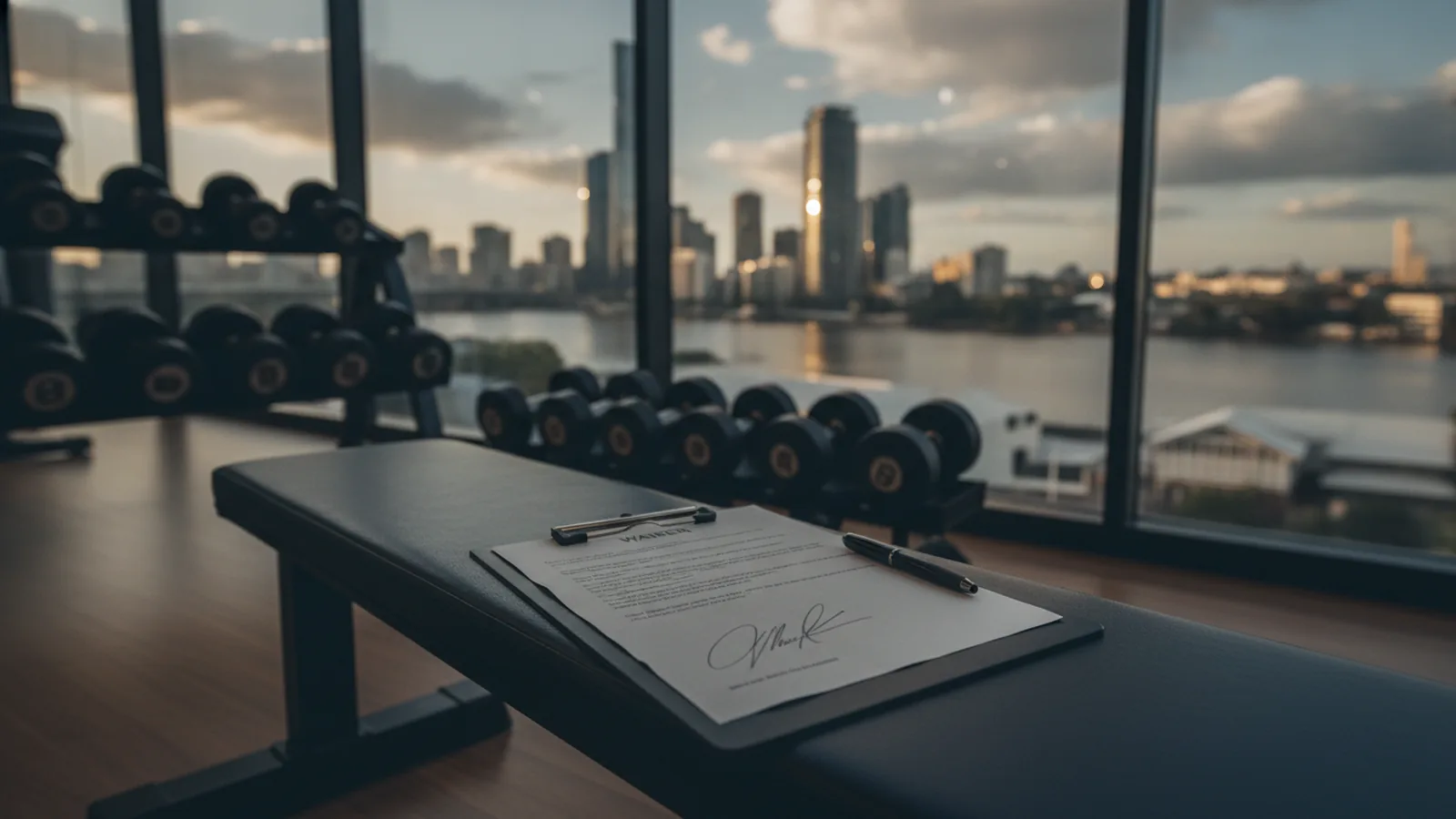
Almost everyone who joins a gym, enters a fun run, books a jet ski or signs a child up to a trampoline park signs a waiver. The document usually says the participant accepts all risks and releases the operator from liability. Queensland law honours some of that and not all of it, and the difference lies in what caused the injury: the activity itself, or the operator's failure to run it properly.
Key points
- The Civil Liability Act removes liability for harm from an obvious risk of a dangerous recreational activity, and does not require operators to warn of obvious risks.
- Waivers of the consumer guarantees are permitted for recreational services under the Australian Consumer Law, but not for reckless conduct.
- Neither protection covers injury caused by faulty equipment, unsafe premises, inadequate supervision or instruction, or a failure to follow the operator's own procedures.
Inherent and obvious risks
Section 19 of the Civil Liability Act provides that a person is not liable for harm suffered as a result of the materialisation of an obvious risk of a dangerous recreational activity, whether or not the injured person was aware of the risk. A dangerous recreational activity is one involving a significant degree of risk of physical harm. Falling while rock climbing, being tackled in a contact sport, or coming off a mountain bike on a downhill trail are the kinds of risk the section is aimed at. Separately, sections 13 to 16 provide that there is no duty to warn of an obvious risk and that a person is presumed to be aware of one.
Waivers under the Australian Consumer Law
Services supplied to consumers carry a guarantee of due care and skill. Section 139A of the Competition and Consumer Act allows a supplier of recreational services to exclude that guarantee by contract, which is what most waivers do. The exclusion does not apply where the supplier's conduct was reckless, and it only touches the consumer guarantee; the operator's duty of care in negligence is governed by the Civil Liability Act, and a contractual release of negligence is read strictly against the operator.
Where operators remain liable
The protections are for the risks of the activity, not for the operator's failures. A cable that snaps because it was not inspected, a treadmill with a known fault, a personal trainer who loads a beginner beyond any reasonable program, a trampoline park with inadequate padding, a swimming pool without the supervision its own rules require, or an obstacle course set up contrary to the manufacturer's instructions are all negligence claims that a waiver does not answer. The question is always whether the harm came from a risk inherent in the activity or from something the operator should have done and did not.
Children
A parent can sign a waiver on a child's behalf, but the operator's duty to supervise and to provide safe equipment for children is if anything higher, and courts examine closely whether a child could be expected to appreciate a risk an adult would find obvious.
Making a claim
Sport and recreation injuries are public liability claims under the Personal Injuries Proceedings Act: a notice within nine months, or one month of first instructing a lawyer; the operator's liability response; disclosure; conference; court if needed. Keep the waiver, the incident report, photographs of the equipment or area, the names of staff and witnesses, and medical records from the day.
Frequently asked questions
I signed a waiver at the gym. Can I still claim? Possibly. A waiver covers the ordinary risks of exercise. It does not cover injury caused by faulty equipment, unsafe premises or negligent instruction.
What is a dangerous recreational activity? One involving a significant degree of risk of physical harm. For those, there is no liability for harm from an obvious risk of the activity itself.
Does the waiver I signed for my child bind them? It can affect consumer guarantee claims, but the operator's duty to supervise and provide safe equipment for children is unchanged.
Sources
- Civil Liability Act 2003 (Qld), ss 13–19 (obvious risks; dangerous recreational activities) — legislation.qld.gov.au
- Competition and Consumer Act 2010 (Cth), s 139A (waiver of consumer guarantees for recreational services) — legislation.gov.au
- Personal Injuries Proceedings Act 2002 (Qld), ss 9, 20 — legislation.qld.gov.au
- Australian Competition and Consumer Commission, Consumer guarantees — accc.gov.au